Why Cats Are Different: Understanding Obligate Carnivores
What makes cats' nutritional needs unique compared to other pets, and what this means for their diet.
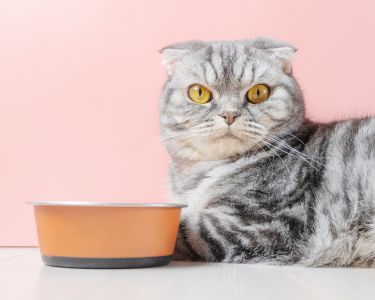
Cats are obligate carnivores, which means their bodies need meat to survive and can't be talked out of it. That isn't a preference, and it isn't a lifestyle choice. It's built into how a cat works, through millions of years of hunting small prey.
Research has confirmed that cats have particular nutritional needs that follow from being hunters, and knowing what those needs are makes a lot of feeding decisions easier.
Specialised Hunters by Design
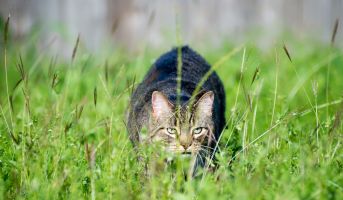
Cats have changed less through domestication than most other animals. They live in our homes and depend on us for food, but their bodies still work much as their wild ancestors' did, which is to say as hunters built to live on small prey.
In the wild, a cat eats mostly small mammals, birds and insects. That diet provides plenty of protein, and it also provides particular nutrients in forms a cat can use straight away. After thousands of years alongside people, a cat's digestion is still tailored to it.
Cats depend on nutrients found only in animal tissue. Their bodies expect meat and can't adapt to make proper use of plant foods instead. They have a short digestive tract suited to meat, protein-processing systems that run at full capacity all the time, and a body chemistry that reaches for protein first, both for energy and for repair.
Cats have also lost the ability to make several compounds that other animals produce for themselves, so those nutrients have to come from food, and only from the right food...
Download and sign up to the My Feline app to read the full article...
Research rating: ⭐⭐⭐⭐ (4 of 5). Last updated 25 August 2026.
Sources
- Debra L. Zoran and C. A. Tony Buffington. Effects of nutrition choices and lifestyle changes on the well-being of cats, a carnivore that has moved indoors. https://doi.org/10.2460/javma.239.5.596
- Adrian K. Hewson-Hughes, Victoria L. Hewson-Hughes, Andrew T. Miller, Simon R. Hall, Stephen J. Simpson and David Raubenheimer. Geometric analysis of macronutrient selection in the adult domestic cat, Felis catus. https://doi.org/10.1242/jeb.049429