What to Know Before Getting a Pedigree Cat
What the research says about why people choose pedigree cats, how to spot a responsible breeder and what a kitten needs in its first weeks at home.
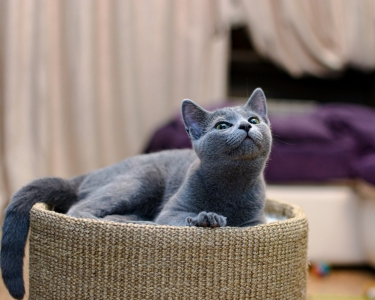
Pedigree cats make up around 8 to 11% of pet cats in the UK, with British Shorthairs, Ragdolls, Maine Coons and Bengals regularly among the most popular. Finding a healthy pedigree kitten takes more planning than most people expect, and research is starting to show how buyers go about it.
Studies of pedigree cat ownership are thin compared with dogs, but recent work has looked at why people choose the breeds they do, which questions buyers ask and which they skip, and how that affects both the kitten and the owner. Whether you've set your heart on a breed or are simply curious, the research gives a useful picture of what to expect.
Why People Choose Pedigree Cats
In 2019, researchers at the University of Edinburgh surveyed over 1,300 cat owners about how they chose their cats. Pedigree owners and non-pedigree owners turned out to make their decisions in quite different ways.
For pedigree owners, appearance was the strongest influence, followed closely by the feeling that the breed would make a good companion. Many also named good breed health as important, so health does matter to buyers even when looks lead the decision.
Non-pedigree owners told a different story. Their cats often arrived more by chance, found as strays, adopted from shelters or passed on by friends and neighbours. For these owners, physical traits mattered far less than the circumstances that brought them together.
Pedigree owners generally do more research before buying than non-pedigree owners, though the research has gaps...
Download and sign up to the My Feline app to read the full article...
Research rating: ⭐⭐⭐ (3 of 5). Last updated 25 August 2026.
Sources
- Plitman, L., Černá, P., Farnworth, M.J., Packer, R.M.A., Gunn-Moore, D.A. Motivation of Owners to Purchase Pedigree Cats, with Specific Focus on the Acquisition of Brachycephalic Cats. https://doi.org/10.3390/ani9070394
- Cats Protection, RSPCA, PDSA, GCCF, BSAVA, BVA, and partner organisations. The Kitten Checklist. https://www.cats.org.uk/media/1128/kittenchecklist.pdf
- Governing Council of the Cat Fancy. GCCF Breeder Scheme and Code of Ethics. https://www.gccfcats.org/breeders