
Understanding Your Cat's Life Stages
How cats age and what changes to expect at different life stages, from kitten to senior.

A cat changes a good deal between its first birthday and its fifteenth, and most of those changes are gradual enough to miss. Researchers at Mars Petcare went looking for the pattern in the medical records of nearly two million cats. They found that the illnesses cats are treated for shift at particular ages, and those shifts mark out five adult life stages. Knowing which one your cat is in makes it easier to spot what is ordinary ageing and what is worth a trip to the vet.

The Five Adult Life Stages
The stages come from looking at which conditions cats are diagnosed with at each age and finding where the mix changes. They are not round numbers picked for convenience.
Youth, one to four years
Your cat is in peak condition, with energy to spare and a curiosity to match. This is when routines and favourite spots get settled.
Early midlife, five to nine years
The confident adult years. Your cat knows its world and has firm opinions about it. Bonds with favourite people tend to deepen.
Late midlife, ten and eleven years
Small changes start to show. A cat might pause before a jump it used to make without thinking, or become choosier about what it does. It is still recognisably itself.
Senior, twelve and thirteen years
Changes become easier to see. Your cat probably sleeps more, may call out more, and starts to appreciate a few adjustments around the house.
Super senior, fourteen years and over
A cat that has reached fourteen has done well, and plenty go on into their late teens. Most need a little more help with daily life by now.
Cats don't all move through these stages at the same speed. Individual cats vary a great deal, and the ages are a guide rather than a timetable.

What to Expect at Each Stage
Youth and Early Midlife
In the first few years, expect high energy, sharp hunting instincts aimed at toy mice, and careful grooming. This is when a cat's personality and preferences take shape.
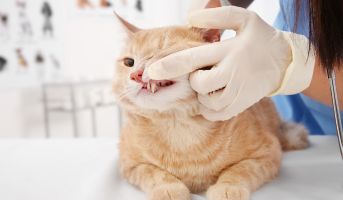
From five onwards, naps get a little longer and toys get a little more selective. Many cats grow closer to their people during these years. The metabolism slows, so portion sizes start to matter. Teeth are the thing to watch. When Liverpool researchers examined 206 cats aged seven to ten, more than half already had dental disease.
Late Midlife
At ten or eleven, you may first notice your cat showing its age in small ways. A hesitation before jumping up, a louder voice when it wants something, a stronger preference for a warm lap. Grooming of the hard-to-reach places may get less thorough and food preferences more particular. These are the years when small adjustments around the house start to pay off.
Senior
At twelve and thirteen, the changes are plainer. Sleep gets deeper and longer. Many cats become more vocal, sometimes at night. Food, water and litter trays placed where they are easy to reach make a difference, and appetite and toileting habits can shift. Regular vet checks matter more now, because arthritis and other conditions that affect comfort often start here.
Super Senior
From fourteen, cats tend to draw closer to their favourite people and take less interest in the wider world. They sleep more, groom less and become set in their ways about food and water. Many become talkative, especially in the evening. Sight and hearing often fade, so a home that stays the same from week to week is a comfort. A warm bed and everything within easy reach is most of what a super senior wants.
Supporting Your Cat Through the Stages
For younger adults, an annual vet visit catches problems early and regular play keeps body and mind busy. Measured portions head off the weight gain that so often arrives in middle age. Dental care started young pays off for years.
For cats in late midlife, many vets suggest moving to two check-ups a year, since changes at this age tend to be subtle. A set of baseline blood tests gives something to compare against later. A step up to a favourite perch, or a low-sided litter tray, saves an ageing cat effort it doesn't need to spend.
For seniors and super seniors, the essentials belong where the cat can reach them without a climb. A quiet, warm bed away from household traffic is appreciated. Weight, appetite and drinking are the things to keep an eye on. A change in any of them is often the first sign of something treatable. A new behaviour in an old cat is worth mentioning to the vet rather than putting down to age.
Key Takeaways
🔄 Cats move through five adult stages, and the boundaries come from real changes in the conditions cats get at each age.
📈 Sleeping more, calling out more and wanting more company are all ordinary parts of growing older.
⚕️ Weight loss, house soiling or a sharp change in behaviour usually mean something treatable rather than plain ageing.
❤️ Between a third and a half of elderly cats become more affectionate with their owners.
🏠 Steps, low trays and resources within easy reach make an older cat's day easier.
🩺 Vet visits earn their keep as a cat ages, because most middle-aged cats have something going on.
🐈 Individual cats age at their own pace, and the ages here are a guide.
The Science Behind Cat Ageing
Two large UK surveys looked at cats aged eleven and over. Around six in ten had become more vocal, and between a third and a half more affectionate. Night calling was often linked to an overactive thyroid, high blood pressure or failing sight and hearing. All of those can be treated or managed. Behaviour that looks like getting old is often something a vet can help with.
The Liverpool study makes the same point from the other direction. Its 206 cats were aged seven to ten and their owners mostly thought of them as healthy. After a full examination, blood tests and urine tests, only about one in eight had no sign of disease. That is a strong argument for check-ups even when a cat seems fine. The earlier a problem is found, the more can usually be done about it.
Research rating: ⭐⭐⭐⭐ (4 of 5). Last updated 25 August 2026.
Sources
- Dowgray N, Pinchbeck G, Eyre K, Biourge V, Comerford E, German AJ. Aging in Cats: Owner Observations and Clinical Finding in 206 Mature Cats at Enrolment to the Cat Prospective Aging and Welfare Study. https://doi.org/10.3389/fvets.2022.859041
- Salt C, Saito EK, O'Flynn C, Allaway D. Stratification of Companion Animal Life Stages from Electronic Medical Record Diagnosis Data. https://doi.org/10.1093/gerona/glac220
- Sordo L, Breheny C, Halls V, Cotter A, Tørnqvist-Johnsen C, Caney SMA, Gunn-Moore DA. Prevalence of Disease and Age-Related Behavioural Changes in Cats: Past and Present. https://doi.org/10.3390/vetsci7030085