
The Mystery of Ginger Cats
Solving the puzzle of orange coloured cats and if they suffer health risks
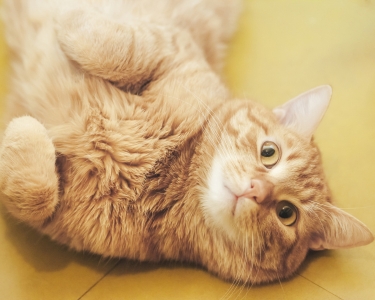
Ever wondered why ginger cats stand out? Most of them are boys. They often have tabby patterns, and many owners believe they have distinct personalities. Cat lovers and scientists have long been curious about what gives these orange cats their look. After decades of wondering, researchers have worked out the genetic code behind ginger coats. What they found might tell us more than why these cats look the way they do.
The Ginger Gene Secret
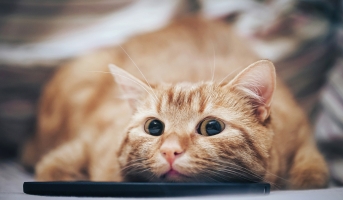
Scientists in Japan and America have found what makes some cats ginger and others not. It comes down to a missing bit of DNA.
Research teams in Japan and the US found that ginger cats are missing a small piece of their genetic code, in a gene called ARHGAP36. Think of a recipe with one ingredient missing, which changes the final dish.
This missing piece affects the cells that give cats their skin, eye and fur colour. Without it, these cells produce lighter pigments, creating the warm orange shade we call ginger.
This solves a mystery that has puzzled people for generations. We now understand what creates those orange coats. It also explains something every cat owner has noticed: if most of the ginger cats you meet are male, that's no coincidence...
Download and sign up to the My Feline app to read the full article...
Research rating: ⭐⭐⭐⭐ (4 of 5). Last updated 25 August 2026.
Sources
- Toh H, Au Yeung WK, Unoki M, et al. A deletion at the X-linked ARHGAP36 gene locus is associated with the orange coloration of tortoiseshell and calico cats. https://doi.org/10.1016/j.cub.2025.03.007
- Esme Stallard, BBC Climate and science correspondent. Decades-long mystery of ginger cats revealed. https://www.bbc.co.uk/news/science-environment-66103842