
The British Shorthair: Britain's Most Popular Pedigree Cat
Britain's most registered pedigree cat, and what the evidence says about its health, its temperament and its famously flat face.
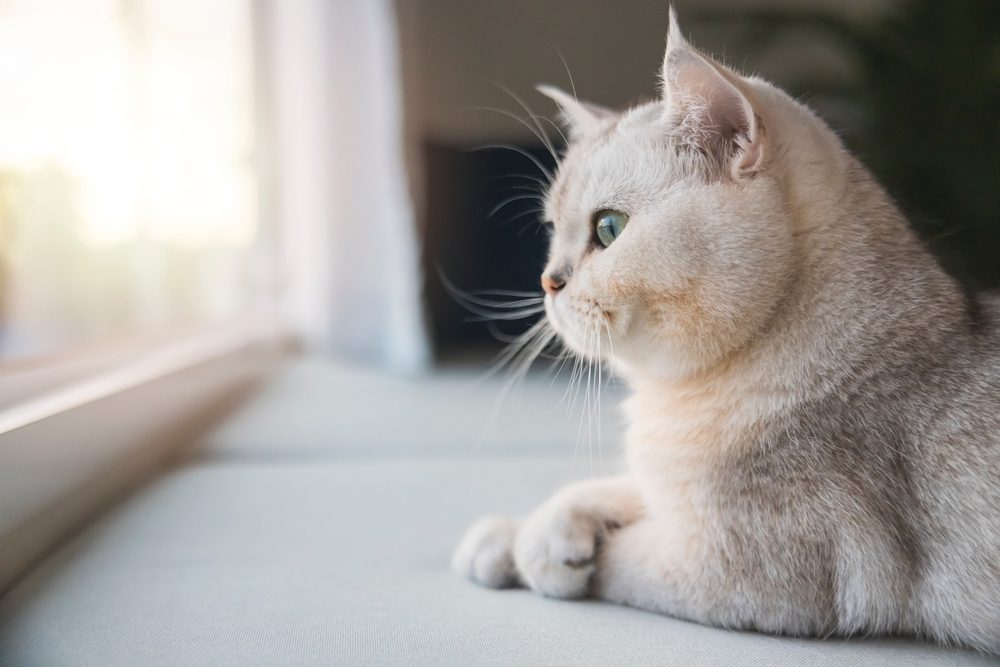
More pedigree cats in Britain are British Shorthairs than any other breed. They make up around nine in every hundred owned cats, and the GCCF registered 5,873 of them in 2025, more than the Ragdoll and the Maine Coon put together.
Most owners know the look. Round face, round eyes, and a coat that feels like a firm cushion. Fewer know that the breed was built out of ordinary British street cats, or that the research behind some of its better known health claims is thinner than you'd expect.
From the Back Step to the Show Bench
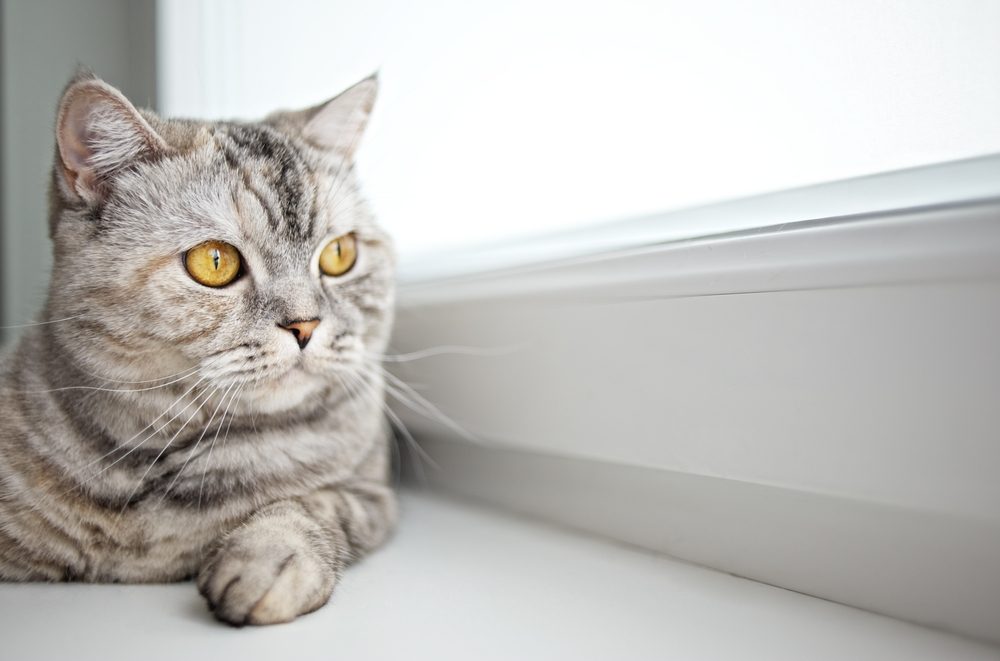
Your British Shorthair's ancestors were ordinary British house cats. They were the sturdy short-coated sort that lived in kitchens, barns and shops, and nobody thought of them as a breed at all.
That changed in July 1871, when Crystal Palace hosted the country's first cat show. Cats like these went on display alongside the imported Persians and Siamese. Harrison Weir, who founded the National Cat Club in 1887, began breeding the best of them together.
Both world wars cut the numbers badly. To build them back up, breeders crossed British Shorthairs with Russian Blues, Burmese, Chartreux and Persians. The Persians left a mark you can still see. Longhaired kittens turn up in British Shorthair litters to this day, and since February 2017 those cats have had a breed of their own, the British Longhair.
Your kitten will take a while to grow up. The GCCF breed standard allows three to five years for a British Shorthair to reach full maturity. The broad chest and the full round face arrive last.
As for what they're like to live with, most owners describe a cat who wants company without contact...
Download and sign up to the My Feline app to read the full article...
Research rating: ⭐⭐⭐⭐ (4 of 5). Last updated 26 August 2026.
Sources
- O'Neill DG, Church DB, McGreevy PD, et al. Longevity and mortality of cats attending primary care veterinary practices in England. https://doi.org/10.1177/1098612X14536176
- Roberts C, Foreman-Worsley R, O'Neill DG, et al. A framework to refocus the conversation around the welfare of UK purebred cats. https://doi.org/10.1017/awf.2025.10051
- Granstrom S, Nyberg Godiksen MT, Christiansen M, et al. Prevalence of Hypertrophic Cardiomyopathy in a Cohort of British Shorthair Cats in Denmark. https://doi.org/10.1111/j.1939-1676.2011.0751.x
- Murphy BJ, Stevenson MA, Mansfield CS. Bodyweight and body condition scores of Australian British shorthaired cats, 2008-2017. https://doi.org/10.3389/fvets.2023.1241080
- Payne JR, Brodbelt DC, Luis Fuentes V. Cardiomyopathy prevalence in 780 apparently healthy cats in rehoming centres (the CatScan study). https://doi.org/10.1016/j.jvc.2015.03.008