
Signs That Need Vet Attention
How to tell when your cat needs veterinary care and what signs to watch for
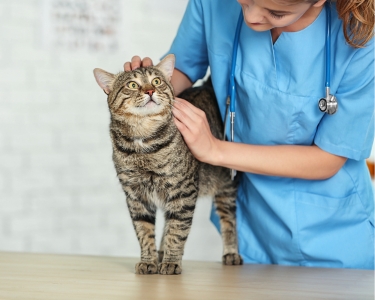
Cats are good at hiding illness. A cat that feels dreadful will often carry on eating, washing and sitting in its usual spot. The only clue is something slightly off that is hard to name. That instinct made sense for a small predator that was also prey, but it means the early signs of illness are easy to miss.
It helps to know that a lot of what a vet finds in a middle-aged cat is small and manageable. Researchers at the University of Liverpool examined 206 cats aged seven to ten. The most common findings were dental disease and a little extra weight, both easy to sort out once spotted. The earlier something like that is noticed, the simpler it is to deal with.
Changes in Daily Habits
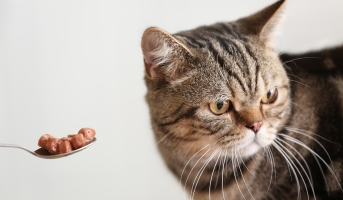
Cats run on routine, and a change in the routine is often the first sign that something might be wrong.
A cat that stops eating, or eats much less than usual for more than a day, is worth taking to the vet for a check up. Cats that go without food for more than a couple of days can develop a serious liver problem, so this one is not worth waiting out. A cat that goes to the bowl, sniffs and walks away is telling you something too. In the Liverpool study, that habit was linked to early kidney disease. A cat that takes a mouthful and drops it may have a sore mouth.
A cat that starts drinking more than usual may be developing kidney disease, diabetes or an overactive thyroid, all of which are common in older cats. Cats on wet food drink less to begin with because the food carries water. The thing to watch is a change from your cat's own normal.
Weight is the third habit worth watching, in either direction, and after that comes behaviour...
Download and sign up to the My Feline app to read the full article...
Research rating: ⭐⭐⭐⭐ (4 of 5). Last updated 25 August 2026.
Sources
- Bir, C.M., Ortez, M., Widmar, N.J.O., Wolf, C.A., Hansen, C., and Ouedraogo, F.B. Familiarity and Use of Veterinary Services by US Resident Dog and Cat Owners. https://doi.org/10.3390/ani10030483
- Dowgray N, Pinchbeck G, Eyre K, Biourge V, Comerford E, German AJ. Aging in Cats: Owner Observations and Clinical Finding in 206 Mature Cats at Enrolment to the Cat Prospective Aging and Welfare Study. https://doi.org/10.3389/fvets.2022.859041
- Scarlett, J.M., and Donoghue, S. Associations between body condition and disease in cats. https://doi.org/10.2460/javma.1998.212.1725
- Sordo L, Breheny C, Halls V, Cotter A, Tørnqvist-Johnsen C, Caney SMA, Gunn-Moore DA. Prevalence of Disease and Age-Related Behavioural Changes in Cats: Past and Present. https://doi.org/10.3390/vetsci7030085