
Making Vet Visits Less Stressful
Simple ways to help your cat feel more comfortable about vet visits.
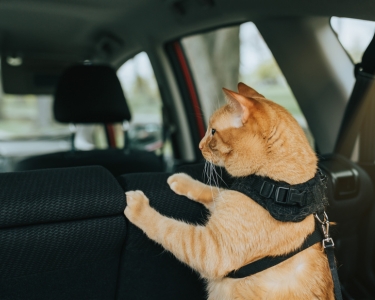
For many cats, a trip to the vet sits high on the list of things they would rather not do. The unfamiliar room, the strange smells, the sound of other animals and the hands of strangers can all add up to a stressful hour. Regular check-ups still matter for keeping your cat well throughout their life.
Owner surveys regularly find that more than half of cat owners say their cat finds the vet stressful, and a fair number admit to putting visits off because of it. With some preparation at home and a few changes on the day, the visit can be a far calmer experience for both of you.
Preparation Begins at Home
A calmer vet visit starts long before anyone leaves the house. Cats like familiarity and routine, so meeting parts of the vet experience gradually at home makes a real difference on the day.
Master the Carrier Game
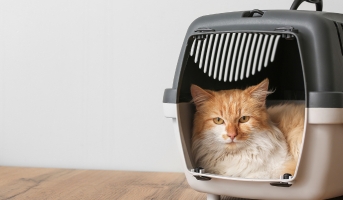
The carrier is the place to start. A carrier that only appears just before a vet visit quickly becomes a warning sign, while one that lives in a quiet corner of a favourite room, door open and a soft blanket inside, becomes just another piece of furniture. Cats who have a carrier like this often wander in and out of it on their own.
A few things help the carrier feel like a good place to be.
🐟 Treats, catnip or a favourite toy left inside now and then
🍽️ Meals served near the carrier, then a little closer, then inside it
🌿 A synthetic feline pheromone spray on the bedding, which some owners find helps, though the evidence on how much it does is mixed
A carrier with a removable top tends to work better than one that only opens at the front. It lets the vet examine your cat while they stay in the familiar bottom half. A light towel over the carrier during the journey blocks unsettling sights while still letting air through.
Practice Makes Perfect
Gentle handling at home prepares a cat for being examined. A brief touch on the paws, the ears and around the mouth, followed straight away by a treat, links being handled with something good. A few seconds is plenty at first, and the sessions can grow as your cat relaxes into them.
If your cat gets travel sick, your vet can suggest medication to take before the journey. Many vets also suggest travelling on an empty stomach, with food held back for three to four hours beforehand unless there's a medical reason not to.
At the Veterinary Practice
How the visit goes on the day has a lot to do with the practice itself. Many practices now have cat-friendly features, such as a separate waiting area for cats, raised shelves for carriers and staff trained in gentle, low-stress handling. Where there's a choice, a practice like this is worth seeking out.
Waiting Room Strategy
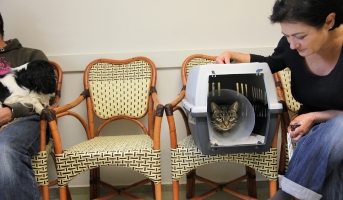
In the waiting room, a carrier on your lap or on a chair feels safer to a cat than one on the floor, since height is where cats feel most secure. Keeping the towel over the carrier cuts down the sights of a busy reception.
Where there's no separate area for cats, most practices are happy for you to wait in the car until the consulting room is ready, especially once they know your cat is easily stressed.
During the Examination
Your presence is a comfort. A cat who can see you and hear your voice, kept calm and low, has something familiar to hold on to in a strange room.
Vets increasingly use what's called a considerate approach, which means starting with the least intrusive parts of the exam and building up to the more hands-on checks, with the vet setting the pace.
Signs that a cat is finding it hard include the following.
🚨 Flattened ears
👀 Wide, dark pupils
😾 Growling or hissing
🫣 Trying to hide
Vets welcome hearing from you if you see these signs building, and a short pause often settles things. Some cats do better with a towel draped over them for parts of the exam, since it gives them somewhere to hide while still being examined.

Special Considerations for Anxious Cats
For a cat who has already decided the vet is a bad place, a few extra options help. Quieter times of day mean fewer animals in the building, and some practices offer cat-only appointment slots.
Home Veterinary Visits
Home visits are available in many parts of the UK and can change everything for a cat with a real fear of the clinic. Your cat is seen in their own home, with no journey and no strange building to cope with.
During a home visit, your cat can retreat to a favourite hiding spot between parts of the examination and stays in the territory where they feel safest. Plenty of cats who bristle or hide at the clinic are a different animal on their own sofa.
When Clinic Visits Are Unavoidable
Where a home visit isn't possible, your vet has other ways to help. For a cat who finds the clinic very hard, a calming medication given at home an hour or two before the appointment is now a common suggestion, and the research on fearful cats supports it. It takes the edge off the fear rather than sedating your cat, and it can be the difference between an examination that happens and one that doesn't.
Medication sits alongside the home preparation and the gentle handling rather than replacing them. Your vet can talk through what suits your individual cat.
Creating Positive Associations
Favourite treats brought from home and offered in the calmer moments of a visit give your cat something good to associate with the room. A familiar toy or blanket can do the same. None of this transforms a visit overnight, but over several visits the fear tends to soften.
Recovery at Home
After the visit, a quiet spot with familiar bedding, fresh water and a litter tray nearby gives your cat room to settle. Some cats hide for a while or seem a little off after a stressful outing, and most are back to their usual selves within a day.
In a multi-cat home, the returning cat smells of the clinic, and housemates sometimes react to the unfamiliar scent. Wiping each cat with the same cloth helps bring back the shared family smell.
Key Takeaways
🧺 A carrier that lives out in the open, with treats and meals inside, stops being a warning sign
🚗 A towel over the carrier on the journey and a raised spot in the waiting room both help a cat feel safer
🐾 Short, gentle handling at home, paired with treats, prepares a cat for being examined
👨⚕️ Cat-friendly practices with separate waiting areas and trained staff make a real difference
🏡 Home visits suit cats with a strong fear of the clinic
🕐 Quieter appointment times and cat-only slots mean fewer animals to cope with
💊 Pre-visit calming medication is a well-supported option for very stressed cats
🧘♀️ Cats pick up on their owner's mood, so a calm owner helps
The Bigger Picture
A calmer vet visit pays off well beyond the visit itself. Owners of cats who cope well with the vet are more likely to keep up regular check-ups rather than waiting for a problem to become serious, and that means earlier detection and easier treatment.
There's a practical benefit too. Stress raises a cat's heart rate and blood pressure and can even push up blood sugar, so a calm cat gives the vet a truer picture of their health. The time spent making visits easier is time spent on your cat's health.
Research rating: ⭐⭐⭐ (3 of 5). Last updated 25 August 2026.
Sources
- Riemer S, Heritier C, Windschnurer I, Pratsch L, Arhant C, Affenzeller N. A Review on Mitigating Fear and Aggression in Dogs and Cats in a Veterinary Setting. https://doi.org/10.3390/ani11010158
- Majewska B, Kazimierska K. Safe and feline-friendly veterinary visits and travels to the veterinary practice: a case report. https://doi.org/10.21005/AAPZ2024.69.1.6
- Ilona Rodan, Eliza Sundahl, Hazel Carney, Anne-Marie Gagnon, Sarah Heath, Gary Landsberg, Kelly Seksel and Sophia Yin. AAFP and ISFM Feline-Friendly Handling Guidelines. https://doi.org/10.1016/j.jfms.2011.03.012
- John O. Volk, Karen E. Felsted, James G. Thomas and Colin W. Siren. Executive summary of the Bayer veterinary care usage study. https://doi.org/10.2460/javma.238.10.1275