
Creating a Cat First Aid Kit
Essential items to keep at home for minor cat emergencies and how to use them safely.
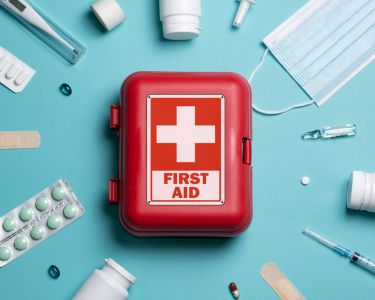
Cats have accidents, get stung and get into scrapes, and a first aid kit put together with a cat in mind means you can help straight away. This guide covers what belongs in the kit and when to reach for it.
A first aid kit is for minor problems and for the journey to the vet. It isn't a replacement for a vet.
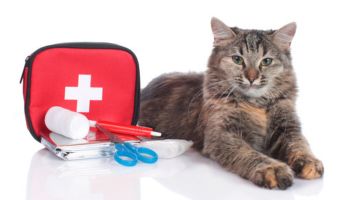
What Goes in a Cat First Aid Kit
Basic Supplies
🧰 A sturdy, waterproof box labelled Cat First Aid
☎️ Your vet's number and the details of the nearest emergency clinic
📖 A pet first aid guide or app
🧣 A small towel or blanket for wrapping your cat
🧤 Disposable gloves
🌡️ A pet thermometer. A cat's normal temperature sits between 37.5°C and 39.2°C
🔧 Tweezers for splinters and ticks
✂️ Blunt-ended scissors for cutting bandages or trimming fur around a wound
Wound Care
🧴 Antiseptic solution such as diluted chlorhexidine. Alcohol-based products sting
💧 Saline for cleaning wounds. It can be bought, or made from one teaspoon of salt in five hundred millilitres of boiled and cooled water
🩹 Non-stick dressing pads
🎀 Self-adhesive bandage wrap that won't stick to fur
☁️ Cotton wool or gauze pads
🎗️ Surgical tape
🛢️ Petroleum jelly to keep urine or stool off a wound near the back end
Records and Medication
💊 Any medication your cat takes
⚖️ Digital scales, because a vet advising over the phone may need your cat's weight to work out a dose
📋 A note of your cat's weight, age and any conditions or allergies
A kit is worth checking every few months so that expired items are replaced. A cool, dry spot that's easy to reach but out of the way of children and pets suits it best.
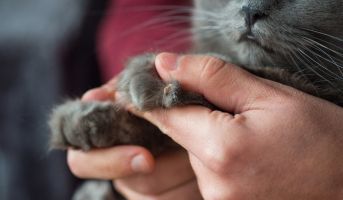
When and How to Use the Kit
Knowing when first aid is enough and when to head straight to the vet matters as much as the supplies. These are the common situations.
Minor Wounds
For a small cut or graze.
🤲 Keep calm and wrap your cat in the towel if they're struggling
🚿 Clean the wound with saline, then apply antiseptic as the product directs
🩸 If it's bleeding, press gently with clean gauze
📞 Ring your vet for advice on whether it needs treatment
Insect Stings
For a bee or wasp sting.
🐝 If a bee sting is still in the skin, scrape it out with the edge of a bank card. Tweezers squeeze the sac and release more venom
🧊 Hold a cold compress against the spot to bring down swelling
👀 Watch for heavy swelling, trouble breathing or unusual drowsiness, which are signs of an allergic reaction
💬 Ring your vet if any of those appear
Burns
For a minor burn.
❄️ Run cold water over it, or hold a cold compress against it, for at least five minutes
🚫 Never put cream, ointment or butter on a burn
🩺 Ring your vet, because burns are often worse than they look
Heatstroke
A cat that is panting hard, drooling or limp in hot weather may be overheating. This is an emergency.
🏠 Move them somewhere cool and shaded
💦 Wet their coat with room temperature water, not cold
🌬️ Put them near a fan if there is one
🚨 Ring the vet while you're cooling them down
First aid is the first help, before the vet takes over. When in doubt, a call to the vet is never wasted.

Preparing Beyond the Kit
A stocked kit is one part of being ready. A few other things help when your cat needs you.
Training
Animal charities, vet practices and pet organisations run pet first aid courses. They cover how to hold an injured cat safely, how to check breathing and pulse, and the basics of keeping a cat going until the vet.
An Emergency Plan
📲 Your vet's number saved in your phone
🗺️ The route to the nearest emergency clinic, tried once before it's needed
🌙 A note of which practices nearby are open overnight
💷 Pet insurance, which takes the cost out of an emergency decision
🧺 A carrier kept somewhere easy to reach
Normal Vital Signs
Knowing what's normal for your cat makes it easier to spot when something's wrong. A healthy adult cat usually has these readings.
❤️ A heart rate of one hundred and forty to two hundred and twenty beats a minute
🫁 Twenty to thirty breaths a minute
🔥 A temperature between 37.5°C and 39.2°C
Safe Handling
An injured or frightened cat may bite or scratch, even one who's normally gentle. Wrapping them in a towel with the head free keeps everyone safe, and a carrier gets them to the vet without more stress or injury.
Cats hide pain and illness well, so any clear sign of distress is worth taking seriously.
Key Takeaways
🎒 A dedicated cat first aid kit with wound care supplies, a towel and your vet's number covers most minor emergencies
🔄 Kits need checking every few months so expired items are replaced
🐱 A towel wrap is the safe way to hold an injured cat
🏥 First aid is for minor problems and the journey to the vet
📚 A pet first aid course builds confidence for the real thing
🧭 An emergency plan means knowing where to go and how to get there
💛 The vet is always the right call when in doubt
The Bottom Line
The point of a first aid kit is that you don't have to think in the moment. The saline is there, the towel is there, the number is there. Something as simple as knowing how to wrap and carry an injured cat to the vet can make a real difference, and having it all ready lets you act calmly when your cat needs you most.
Research rating: ⭐⭐ (2 of 5). Last updated 25 August 2026.
Sources
- Battaglia, A.M. First aid and emergency care for the small animal patient. https://doi.org/10.1016/j.cvsm.2012.09.005
- Quimby, J. & Lappin, M. Clinical approach to cats with apparent acute pain. https://doi.org/10.1177/1098612X211007072