
Understanding Your Cat's Life Stages
From frisky kitten to distinguished senior, your cat's journey through life is filled with fascinating changes. This article explores your cat's journey from youth to their golden years.
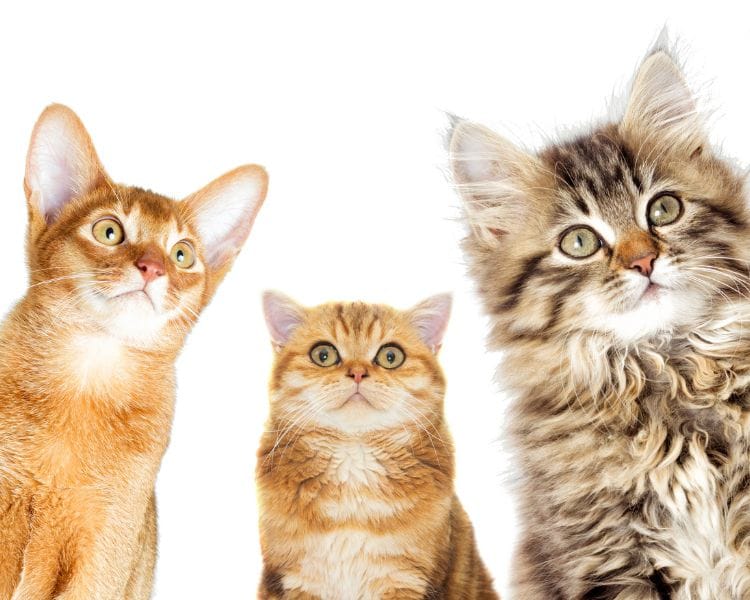
From playful kitten to wise senior, your cat's journey through life is one of distinct changes. Just as humans experience different life phases, cats move through five clear adult stages, each with its own characteristics and needs.
Recent research tracking hundreds of thousands of cats has revealed these stages aren't just about getting older - they represent genuine shifts in behaviour, health patterns, and social needs. Understanding these stages helps you anticipate changes and provide the right care at the right time.

The Five Adult Life Stages
Scientists have mapped out five distinct phases based on real health and behaviour patterns observed in cats:
🐱 Youth (1-4 years): The Prime Years
Your cat is at peak physical condition with boundless energy and curiosity. They're establishing their favourite routines and exploring their world with confidence.
😺 Early Midlife (5-9 years): The Settled Years
Think of this as your cat's confident adult phase. They've figured out their world and are enjoying life with established preferences and deeper bonds with their favourite people.
🧠 Late Midlife (10-11 years): The Transition Years
Subtle changes begin appearing. Your cat might show small signs of slowing down or become more selective about activities, though they're still largely their usual self.
🛋️ Senior (12-13 years): The Mature Years
More noticeable changes emerge. Your cat typically sleeps more, may become more vocal, and might appreciate some adjustments to their environment for comfort.
👑 Super-Senior (14+ years): The Wisdom Years
Your distinguished companion has reached an impressive age and may need extra support with daily activities, though many cats continue enjoying life well into their late teens.
These stages are based on careful observation of how cats naturally change over time, rather than arbitrary age boundaries. Different breeds may progress through these stages at slightly different rates - Siamese and Burmese cats often enjoy longer lifespans, while larger breeds like Maine Coons may age more gradually.

What to Expect at Each Stage
Youth and Early Midlife: The Active Years
During youth (1-4 years), expect high energy levels, sharp hunting instincts (even for toy mice), and meticulous grooming habits. Your cat is likely curious, playful, and establishing their personality and preferences.
In early midlife (5-9 years), you might notice slightly longer naps and more selective toy preferences. Many cats develop stronger bonds with family members during this time. Their metabolism begins to slow, making portion control more important. Dental issues start appearing in over half of cats by age 5.
Late Midlife: The Subtle Shifts
Between 10-11 years, you may first notice your cat "showing their age" in small ways. They might hesitate before jumping to high places or become more vocal when seeking attention. Many cats grow more affectionate, seeking warm laps more often or following family members around the house.
Grooming of hard-to-reach areas may become less thorough, and food preferences might become more particular. These changes signal it's time to start making small environmental adjustments.
Senior Years: Noticeable Changes
Senior cats (12-13 years) typically show more obvious shifts in their daily routine. They sleep more deeply and for longer periods. Many become more vocal, sometimes calling out at night.
Your cat might appreciate having food, water, and litter boxes in more accessible locations. Appetite may fluctuate, and bathroom habits might change. Regular vet check-ups become especially valuable for detecting conditions like arthritis that can significantly impact comfort.
Super-Senior: The Golden Years
Cats aged 14 and beyond often develop stronger bonds with their favourite people while showing less interest in the wider world. They typically sleep more, groom less, and may develop specific preferences about food and water.
Many become quite vocal, especially in evening hours. Vision and hearing changes are common, making environmental consistency important. Most super-seniors appreciate warm, comfortable resting places and easy access to essentials.
Supporting Your Cat Through Life's Stages
For Younger Adults (1-9 years)
🗓️ Annual vet visits help catch issues before they become problems
🎾 Regular play sessions keep body and mind active
⚖️ Weight management through appropriate portions prevents future health issues
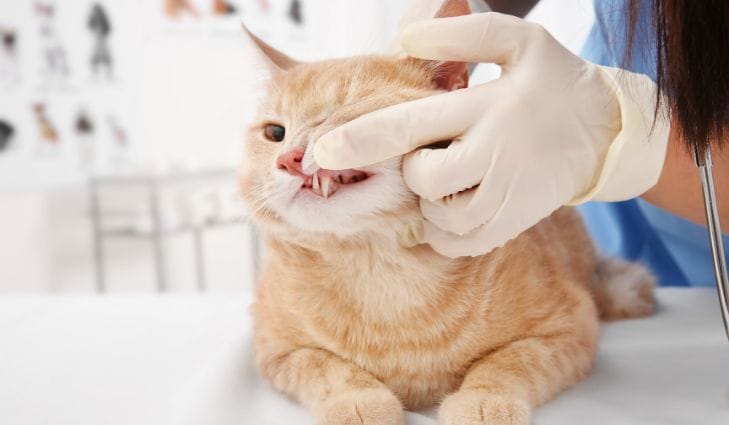
🦷 Early dental care makes a significant difference long-term
For Middle-Aged Cats (10-11 years)
🩸 Twice-yearly vet check-ups catch subtle changes early
👀 Monitor behaviour shifts - small changes often signal larger patterns
🪜 Environmental modifications like steps to favourite spots ease daily life
📋 Baseline blood tests provide valuable comparisons for future health monitoring
For Senior and Super-Senior Cats (12+ years)
🚽 Accessible resources - ensure food, water, and litter boxes are easy to reach
🧶 Comfortable resting areas away from household traffic
⚠️ Monitor daily habits - changes in weight, appetite, or drinking patterns need attention
🏥 Advocate for your cat - new behaviours often indicate treatable conditions
Simple adjustments like well-placed steps to favourite perches or dental-friendly diets can significantly improve your cat's comfort and happiness throughout their life.
Key Takeaways
🔄 Five distinct stages: Cats progress through youth, early midlife, late midlife, senior, and super-senior phases, each with unique characteristics
📈 Normal aging changes: Increased sleeping, more vocalisation, and shifting social patterns are typical parts of growing older
⚕️ Health vs. aging: Weight loss, significant behaviour changes, or house-soiling often indicate treatable health issues rather than normal aging
❤️ Increased affection: Most cats become more social and seek more attention as they age - those extra lap sessions are completely normal
🏠 Environment matters: Simple home modifications can dramatically improve comfort for aging cats
👨⚕️ Preventive care: Regular vet visits become increasingly valuable with age, helping maintain quality of life
🐈 Individual variation: Different breeds and individual cats may progress through these stages at varying rates
The Science Behind Cat Aging
Research has revealed that many behaviours once dismissed as "just getting old" are actually linked to specific, treatable health conditions. That midnight yowling isn't your cat being difficult - it's often connected to high blood pressure, sensory changes, or cognitive issues that respond well to proper care.
Studies show that over half of cat owners report their cats seeking more attention and affection in their senior years. It appears our cats, like many humans, come to appreciate close companionship as they grow older.
When veterinarians conducted thorough health screenings of middle-aged cats whose owners considered them healthy, only about one in eight had no health concerns. This highlights why regular check-ups are valuable even when your cat seems perfectly fine - early detection almost always leads to better outcomes and more comfortable golden years.
Sources
- Dowgray N, Pinchbeck G, Eyre K, Biourge V, Comerford E, German AJ. Aging in Cats: Owner Observations and Clinical Finding in 206 Mature Cats at Enrolment to the Cat Prospective Aging and Welfare Study. Frontiers in Veterinary Science, 2022. https://doi.org/10.3389/fvets.2022.859041
- Salt C, Saito EK, O'Flynn C, Allaway D. Stratification of Companion Animal Life Stages from Electronic Medical Record Diagnosis Data. The Journals of Gerontology, 2023. https://doi.org/10.1093/gerona/glac220
- Sordo L, Breheny C, Halls V, Cotter A, Tørnqvist-Johnsen C, Caney SMA, Gunn-Moore DA. Prevalence of Disease and Age-Related Behavioural Changes in Cats: Past and Present. Veterinary Sciences, 2020. https://doi.org/10.3390/vetsci7030085