
Silent Sufferers: Detecting Pain in Cats
This article summarises key behavioural indicators that can help you identify if your cat might be experiencing pain, based on expert consensus and validated pain assessment tools.

Understanding when our cats are in pain can be challenging, as they often hide signs of discomfort as a survival mechanism. Recent research has made significant advances in helping veterinarians and cat owners recognise subtle signs of pain in cats. This knowledge is crucial because catching pain early can dramatically improve your cat's quality of life and prevent conditions from worsening.
How Cats Show Pain
Cats display pain through changes in their normal behaviour patterns rather than obvious signs like crying or limping. Research has identified key indicators that experts agree signal discomfort:
Position and Movement Changes
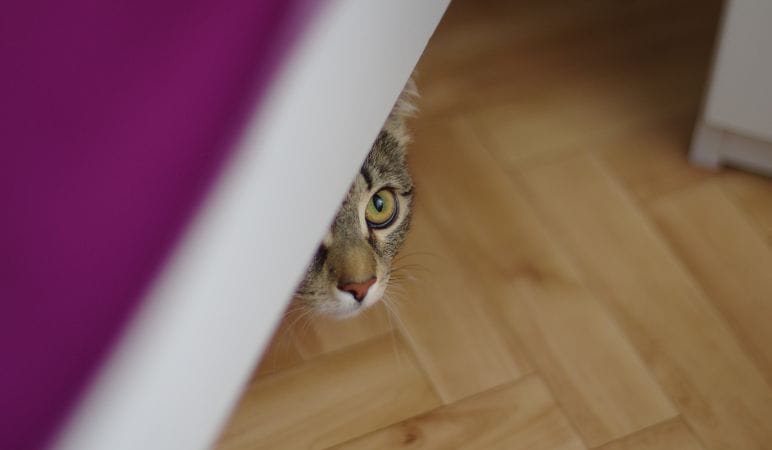
🏠 Hiding behaviours - staying at the back of their carrier or hiding space more than usual
🚶 Movement reluctance - difficulty jumping or hesitation to move normally
👣 Altered walking - walking abnormally whilst still using all four legs
😿 Posture changes - hunched or crouched posture with the head lowered
🛏️ Unusual lying positions - lying with pelvic limbs extended or contracted (especially with abdominal pain)
Activity and Behaviour Shifts
📉 Decreased activity - less interest in normal daily activities
😣 Restlessness - appearing unable to get comfortable
🧼 Grooming changes - reduced grooming, except perhaps excessive focus on a painful area
👥 Social withdrawal - less interest in playing or interaction
😴 Sleep disruption - appearing to sleep but showing signs of discomfort such as partially closed eyes and tense facial features

Reading Your Cat's Face and Body Language
Research has identified specific facial expressions and body postures that can indicate pain. These subtle changes are often the first signs owners notice:
Facial Expression Changes
👀 Eye changes - squinted or partially closed eyes, frequent blinking or eye twitching
📍 Head position - head held lower than normal, often with chin tucked towards chest
👂 Ear positioning - flattened ears or rotated outward from their normal position
Body Language Signals
⚡ Tension - overall tense body posture throughout the day
📐 Crouching - spending time in a crouched position with both front and back legs flexed
🛌 Sleep position changes - alterations in normal sleeping positions
⚖️ Weight shifting - moving weight away from painful areas when standing or walking
Behavioural and Emotional Changes
😔 Personality shifts - becoming withdrawn, depressed, or unusually quiet
🛡️ Defensive responses - showing aggressive responses when approached or touched in certain areas
🗣️ Vocalisation changes - growling or hissing, especially if this is unusual for your cat
🍽️ Appetite changes - alterations in eating habits or difficulty eating
When to Seek Veterinary Care
Pain assessment in cats requires careful observation of your cat's normal behaviour patterns. The key is recognising when changes occur and understanding their significance:
Red Flag Combinations
🚨 Multiple pain behaviours occurring together - this is more significant than single isolated changes
⚡ Sudden personality changes - rapid shifts in normal behaviour patterns
🪜 Functional difficulties - trouble performing routine activities like jumping onto furniture or using the litter tray
🔄 Daily habit changes - alterations in eating, grooming, or sleeping routines
🚪 Unusual aggression or withdrawal - significant changes in how your cat interacts with family members
The Importance of Early Detection
Remember that cats have evolved to hide pain as a survival mechanism. By the time pain becomes obvious to us, your cat may have been uncomfortable for quite some time. This is why subtle behavioural changes are so important to notice.
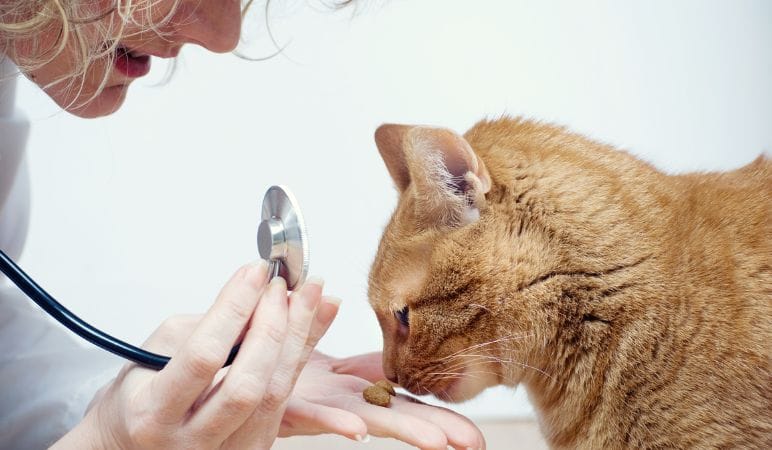
Regular veterinary check-ups can help identify painful conditions even before obvious symptoms appear. Many conditions that cause pain - such as dental disease or arthritis - develop gradually and can be managed much more effectively when caught early.
Key Takeaways
🤫 Cats hide pain naturally - they're masters at concealing discomfort, so subtle changes matter
🔍 Watch for behaviour combinations - multiple small changes together are more significant than single isolated behaviours
📊 Know your cat's normal - understanding their usual patterns helps you spot meaningful changes
😿 Facial expressions matter - squinted eyes, lowered head position, and ear changes can indicate discomfort
🚶 Movement changes count - reluctance to jump, altered walking, or unusual postures are important signs
⚡ Act on sudden changes - rapid shifts in personality or behaviour patterns warrant veterinary attention
🎯 Early detection helps - catching pain early leads to better treatment outcomes and improved quality of life
The Bottom Line
The reality about cat pain: No single behaviour guarantees that a cat is in pain - instead, it's the combination of subtle changes that helps identify when a cat is uncomfortable.
Research has identified 25 different behavioural signs that can indicate pain in cats, ranging from obvious signs like altered movement to subtle changes in facial expressions. You can read the full list in this expert consensus study. This highlights how complex pain assessment can be and why careful observation of our cats is so important.
What this means for you: Trust your instincts as a cat owner. If something seems "off" about your cat's behaviour, even if you can't put your finger on exactly what it is, it's worth discussing with your vet. You know your cat better than anyone, and your observations are invaluable in helping maintain their health and comfort.
Sources
- Reid J, Scott EM, Calvo G, Nolan AM. Definitive Glasgow acute pain scale for cats: validation and intervention level. Veterinary Record. 2017. https://doi.org/10.1136/vr.104208
- Merola I, Mills DS. Behavioural Signs of Pain in Cats: An Expert Consensus. PLoS ONE. 2016. https://doi.org/10.1371/journal.pone.0150040
- Marangoni S, Beatty J, Steagall PV. An ethogram of acute pain behaviours in cats based on expert consensus. PLoS ONE. 2023. https://doi.org/10.1371/journal.pone.0292224